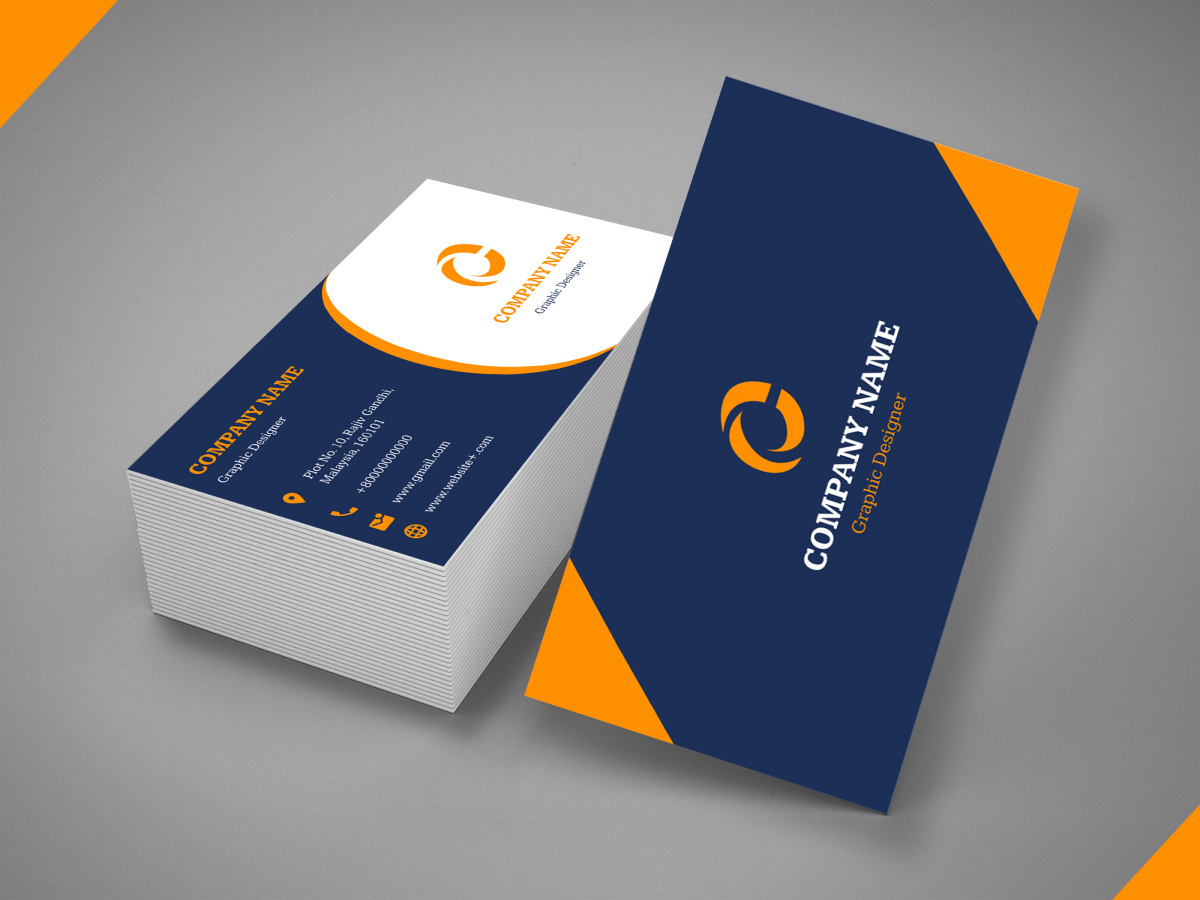
Business card design remains one of the most powerful tools for creating a lasting first impression in a professional setting. Even in a world driven by digital communication, the exchange of a physical card continues to symbolize credibility, professionalism, and personal connection. A thoughtfully designed card is more than a simple piece of printed material; it acts as a compact representation of a brand’s identity and values.
The essence of effective business card design lies in its ability to communicate clearly while leaving a strong visual impact. Every element on the card serves a purpose, from typography and color choices to spacing and layout 咭片設計. A well-balanced design ensures that important details such as name, role, and contact information are easily readable while maintaining an aesthetic that reflects the personality of the business or individual. Simplicity often plays a key role, as cluttered designs can overwhelm the viewer and reduce the card’s effectiveness.
Color selection is a crucial aspect of business card design. Colors evoke emotions and can influence how a brand is perceived. For instance, neutral tones often convey professionalism and sophistication, while bold colors can express creativity and innovation. The choice of color should align with the overall branding strategy to create consistency across all marketing materials. When used thoughtfully, color can make a card visually appealing without distracting from its primary purpose.
Typography also plays a significant role in shaping the impression a business card leaves. The fonts chosen should be legible and appropriate for the industry. A modern sans-serif typeface might suit a technology company, while a classic serif font could be ideal for a law firm or consultancy. Combining fonts can add visual interest, but it must be done carefully to maintain harmony and readability. The size and spacing of text should guide the reader’s eye naturally across the card.
Another important consideration in business card design is the use of space. White space, or negative space, is not simply empty area but a powerful design element that enhances clarity and focus. By allowing elements to breathe, designers can create a sense of elegance and organization. A crowded card can appear unprofessional, whereas a well-spaced design conveys confidence and attention to detail.
Material choice adds a tactile dimension to business card design that digital formats cannot replicate. The weight and texture of the card can influence how it is perceived. Thicker card stock often suggests quality and durability, while textured finishes can add a sense of uniqueness. Special finishes such as embossing, foil stamping, or spot UV coating can further enhance the visual and tactile appeal, making the card stand out in a stack of ordinary designs.
The layout of a business card is equally important. Traditional layouts place key information on one side, while the other side may feature a logo or tagline. However, modern designs often experiment with orientation, using vertical layouts or unconventional shapes to capture attention. While creativity is encouraged, functionality should never be compromised. The card must remain easy to read and practical to store.
Brand consistency is a cornerstone of successful business card design. The card should align with other branding elements such as logos, websites, and marketing materials. Consistency helps build recognition and trust, ensuring that the card reinforces the brand’s identity. A mismatch in design elements can create confusion and weaken the overall impression.
Personalization has become increasingly important in business card design. Custom designs allow individuals and businesses to differentiate themselves in competitive environments. Adding unique elements such as a personal tagline, a subtle pattern, or a distinctive color accent can make the card more memorable. However, personalization should always support the brand message rather than overshadow it.
In addition to aesthetics, functionality plays a key role in business card design. The card should provide all necessary information in a clear and organized manner. This typically includes the individual’s name, job title, company name, phone number, email address, and website. Including social media handles can also be beneficial, especially for businesses that rely on online engagement. The goal is to make it as easy as possible for recipients to connect and follow up.
Sustainability is becoming an important consideration in modern business card design. Many businesses are opting for eco-friendly materials and printing methods to reduce their environmental impact. Recycled paper, biodegradable inks, and minimalistic designs not only support sustainability but also appeal to environmentally conscious audiences. This approach demonstrates responsibility and can enhance the brand’s reputation.
Technology has introduced new possibilities for business card design. QR codes, for example, can be incorporated into the design to provide instant access to digital content such as portfolios, websites, or contact details. This integration of physical and digital elements adds convenience while maintaining the personal touch of a printed card. As technology continues to evolve, business cards are becoming more interactive and versatile.
The emotional aspect of business card design should not be overlooked. A well-crafted card can leave a lasting impression that goes beyond its physical form. It can spark curiosity, convey professionalism, and create a sense of trust. In many cases, the card becomes a reminder of a meaningful interaction, reinforcing the connection between individuals.
Despite the rise of digital networking tools, the relevance of business card design remains strong. The act of exchanging cards carries a level of formality and respect that digital interactions often lack. It provides an opportunity to make a personal connection and leave a tangible representation of one’s brand. This enduring value ensures that business cards continue to play a vital role in professional communication.
In conclusion, business card design is a blend of art and strategy that requires careful consideration of visual, tactile, and functional elements. By focusing on clarity, consistency, and creativity, designers can create cards that not only convey information but also leave a lasting impression. As both a practical tool and a representation of identity, a well-designed business card continues to be an essential asset in building professional relationships and enhancing brand presence.